Nurungji: Korea’s Traditional Crispy Rice and Why It’s Good for Your Health
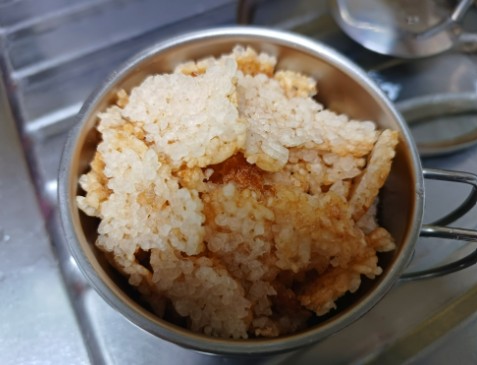
Among Korea’s many traditional foods, one of the most beloved is Nurungji, the golden-brown crispy rice that forms at the bottom of a cooking pot after rice has been cooked. While it was once considered a simple byproduct of traditional rice cooking, Nurungji has gained recognition in recent years as a nutritious and healthy food enjoyed by people of all ages.
Today, Nurungji is not only consumed as a snack but is also used in soups, porridges, and various modern dishes. But what makes this traditional Korean food so special? Why has it remained popular for generations? Let’s take a closer look at the history, health benefits, and preparation of Nurungji.
What Is Nurungji?
Nurungji is the crispy layer of rice that forms naturally on the bottom of a pot when rice is cooked over heat. As the rice is exposed to prolonged heat, it develops a golden-brown color and a distinctive nutty aroma through a process known as browning.
Traditionally, after the cooked rice was removed from the pot, hot water would be poured over the remaining crispy rice to create a comforting drink called Sungnyung. For centuries, Sungnyung has been enjoyed after meals as a soothing and digestive-friendly beverage.
Today, specialized machines are used to produce packaged Nurungji, making it available as a convenient snack or meal replacement while preserving its traditional flavor.
Health Benefits of Nurungji
1. Supports Healthy Digestion
One of the most commonly recognized benefits of Nurungji is its gentle effect on the digestive system. When boiled with water, it softens into a porridge-like consistency that is easy to digest.
For this reason, Nurungji is often recommended for individuals recovering from illness, elderly people, or anyone experiencing digestive discomfort.
2. Gentle on the Stomach
Unlike heavily seasoned or oily foods, Nurungji is simple and mild. Many people find that a warm bowl of Nurungji soup helps soothe the stomach after consuming rich foods or large meals.
Its light and comforting nature makes it a popular choice when appetite is low or the stomach feels unsettled.
3. Promotes Fullness
Nurungji absorbs a significant amount of water when cooked, increasing its volume and helping create a feeling of fullness.
As a result, it can be a useful addition to a balanced weight-management plan. Choosing traditionally prepared Nurungji without added sugar or artificial ingredients is generally the healthiest option.
4. Provides Natural Energy
Since Nurungji is made primarily from rice, it serves as a natural source of carbohydrates, the body’s primary energy source.
Many people enjoy Nurungji for breakfast because it provides sustained energy without feeling overly heavy. It can be an excellent option for those seeking a simple and nutritious start to the day.
5. Offers Comfort and Warmth
Warm foods often provide psychological comfort, and Nurungji is no exception. A bowl of hot Sungnyung or Nurungji soup can create a sense of relaxation and well-being.
During cold weather, many Koreans associate the aroma and taste of Nurungji with childhood memories and family meals, making it both nourishing and emotionally comforting.
How Is Traditional Nurungji Made?
One of the reasons Nurungji has remained popular for centuries is its simplicity. Traditional Nurungji requires only rice, water, and patience.
Ingredients
- 2 cups of rice
- Water as needed
Preparation Process
Step 1: Wash and Soak the Rice
Rinse the rice thoroughly and soak it for approximately 30 minutes. This helps ensure even cooking.
Step 2: Cook the Rice
Place the rice and water into a heavy pot or traditional Korean cauldron and cook until the rice is fully done.
Step 3: Remove the Rice
Once the rice is cooked, transfer most of it to serving bowls, leaving a thin layer attached to the bottom of the pot.
Step 4: Create the Crispy Layer
Continue heating the pot over low heat. The remaining rice slowly turns golden brown and develops the characteristic nutty aroma of Nurungji.
Step 5: Serve
The finished Nurungji can be eaten as a crispy snack or simmered with water to make Sungnyung.
Modern Uses of Nurungji
While Nurungji remains a traditional food, modern Korean cuisine has found many creative ways to use it.
Popular dishes include:
- Nurungji Chicken Soup
- Seafood Nurungji Soup
- Ginseng Chicken Nurungji Soup
- Crispy Nurungji Snacks
- Nurungji Ice Cream Toppings
- Nurungji Breakfast Cereals
One particularly popular dish is Nurungji Chicken Soup, where the rich flavor of chicken broth combines beautifully with the nutty taste of crispy rice.
Things to Keep in Mind
Although Nurungji is considered a healthy food, moderation is still important.
Excessively burnt Nurungji may develop an unpleasant bitter taste and should generally be avoided. People managing blood sugar levels should also consider their overall carbohydrate intake, as Nurungji is still made primarily from rice.
As with any food, balance and moderation are key.
Conclusion
Nurungji is far more than simply rice stuck to the bottom of a pot. It is a treasured part of Korea’s culinary heritage, representing generations of tradition, resourcefulness, and comfort.
Its gentle digestibility, satisfying flavor, and nutritional value continue to make it a favorite among Koreans and food enthusiasts around the world. Whether enjoyed as a crunchy snack or transformed into a warm bowl of Sungnyung, Nurungji offers a unique combination of history, culture, and wellness.
In an age where people are increasingly seeking natural and wholesome foods, this humble Korean traditional dish continues to prove that sometimes the simplest foods are the most enduring.
댓글 남기기